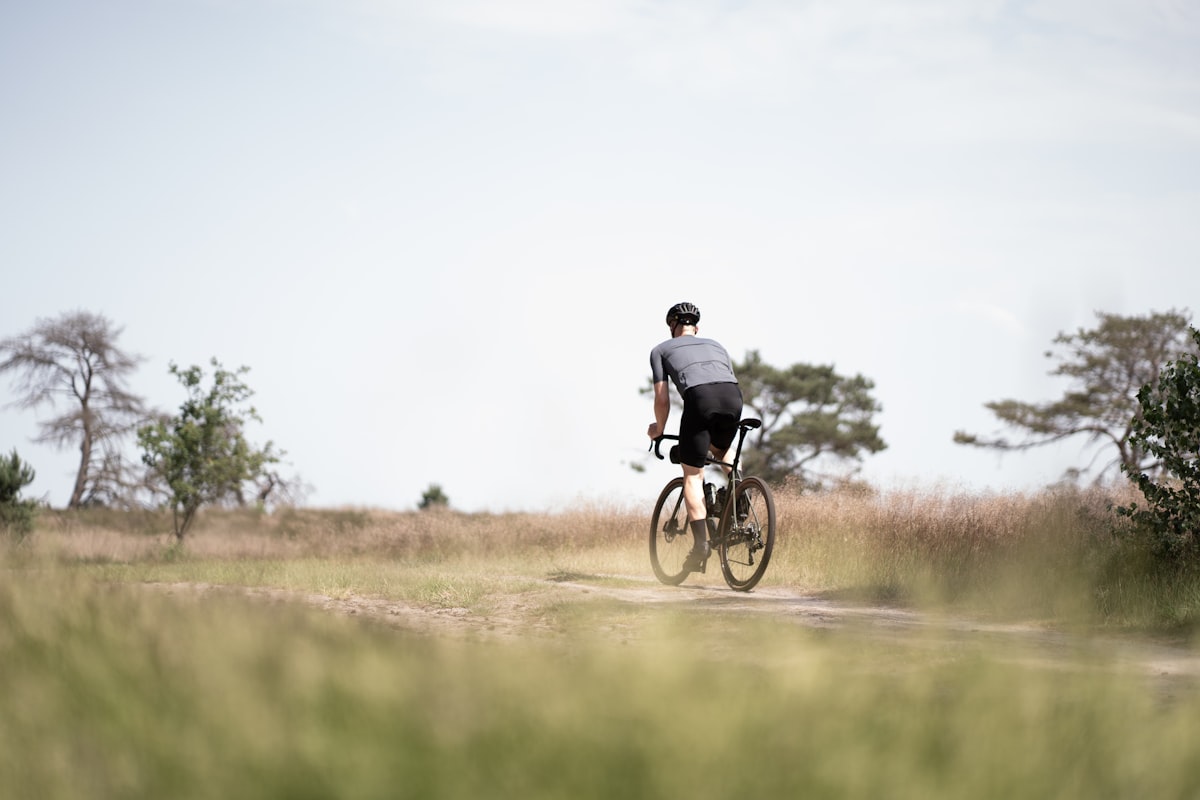
Cycling the Pyrenees on Gravel: A Guide to Trans Pyrenees Gravel
The Pyrenees are not a secret. They’ve been attracting cyclists for a century, and the mountain pass culture that dominates the region—especially for road cyclists—is deeply embedded in European cycling lore. But the gravel version of the Pyrenees is something different. It’s quieter, more technical, more isolating. You’re not chasing the ghosts of Tour de France stages; you’re riding the roads that predate the famous climbs, the tracks that connect villages without the fanfare or the asphalt.
Trans Pyrenees Gravel is an 11-day, 10-night journey from San Sebastián on Spain’s Atlantic coast to Roses on the Mediterranean, a span of roughly 780 kilometres. It’s broken into eight distinct stages, each with its own character and demands. This isn’t a supported weekend ride. This is nearly two weeks in the saddle, on gravel, at elevation, crossing some of Europe’s most dramatic topography. It’s also one of the most complete gravel experiences possible—the kind of tour that stays with you, not because it’s easy or famous, but because it’s genuinely substantial.
The Pyrenees as a Gravel Destination
The Pyrenees have never been primarily a gravel region in the way that, say, Tuscany has been. The mountains are too serious, the weather too unpredictable, the infrastructure too tied to the established road network. Which means that gravel cycling here is genuinely exploratory. You’re not riding a well-developed gravel tourism infrastructure. You’re riding old routes, shepherd’s tracks, forestry roads, and occasional sections where the traditional road network predates modern highway systems.
What makes the Pyrenees special for gravel is isolation and scale. These mountains are big, they’re serious, and they’re significantly less crowded than the Alps. A single day’s ride might take you through villages few tourists ever see, along ridgelines where the only sound is wind and tyres on gravel, across passes where the topography is as important as the cycling. The surfaces vary wildly—from semi-maintained shepherd’s trails to high-altitude rocky descents where you’re practically hiking the bike.
The Pyrenees don’t have the infrastructure mythology of Alpine cycling, but they have something perhaps more valuable: authenticity. You’re not riding on roads built to be famous. You’re riding roads that exist because they connect places where people actually live.
Why Gravel in the Pyrenees Is Different
Road cycling in the Pyrenees is about known passes and established routes. You know what you’re getting: the hairpins, the gradient, the scenery, the crowds. Gravel changes that equation fundamentally. The passes you’ll climb are less famous, less standardized, and significantly less crowded. Some are truly obscure—routes that appear on detailed maps but not in cycling guides, where you might see a handful of other riders (or none) across an entire day.
The surfaces demand different skill. Road cycling requires managing speed, pacing, and group dynamics. Gravel requires you to read terrain constantly, manage traction and control, and trust your bike in conditions that aren’t predictable. The Pyrenees gravel adds weather variability to this—conditions can change rapidly at elevation, and the forecast isn’t always reliable. This creates a mindset shift. You’re not racing; you’re adapting.
The isolation is also fundamentally different. On the famous road passes, you have other cyclists around you, villages nearby, escape routes if something goes wrong. On many of the gravel routes in the Pyrenees, you might not see another person for hours. This requires a different mental approach and also a different practical approach to self-sufficiency. You’re carrying more water, you’re managing nutrition differently, you’re thinking about weather as a serious variable rather than an inconvenience.
The Journey: San Sebastián to Roses, Atlantic to Mediterranean
The concept of Trans Pyrenees Gravel is elegantly simple: start on the Atlantic coast, finish on the Mediterranean. This creates a natural arc to the journey and gives each stage a geographic logic. You’re not just climbing and descending randomly; you’re moving systematically across a mountain range from ocean to ocean.
San Sebastián is a significant starting point. It’s a proper city, a Basque cycling tradition centre, and the gateway to serious mountain riding. The city itself is beautiful—beaches, pintxo culture, architecture—but you’re here to ride. The first days push south and east into the foothills, building experience on the terrain before the truly serious climbing begins.
The middle stages take you into the high Pyrenees. This is where the passes accumulate, where the gravel becomes more technical, where you start understanding the full scope of what you’ve committed to. Days might be 1400–1700 metres of climbing across 90–120 kilometres. The passes here are significant: some you’ve heard of (Passo d’Ordesa, various routes over the main divide), many you haven’t. The climbing is steady, the descent is often gravel, and the views are genuinely expansive.
Toward the end, the route drops gradually toward the Mediterranean. The Catalan foothills are less dramatic but arguably more interesting riding—rolling terrain, good gravel, small villages, and the sense that you’re approaching somewhere rather than climbing somewhere. Roses, on the coast, is the finish. It’s warm, it has cafes and beaches, and you can actually understand why you spent 11 days moving through mountains to get there.
The Eight Stages in Broad Strokes
Stage 1: San Sebastián to the foothills. This is a warm-up day, establishing that you’re not on a road bike anymore. The terrain is rolling, the gravel is present but not overwhelming, and you’re getting used to the rhythm and pace.
Stages 2–4: Into the mountains. These are the serious climbing stages. You’re gaining elevation quickly, the terrain is becoming more technical, and you’re entering true mountain riding. Each stage might exceed 1400 metres elevation gain. These are the days where your training matters and where you understand what you’ve trained for.
Stages 5–6: The high Pyrenees and the main crossing. These are potentially the most technical stages. The passes are higher, the routes more exposed, and the gravel more variable. Weather becomes a serious consideration. These are also where the sense of achievement becomes palpable—you’re crossing a major mountain range on gravel.
Stages 7–8: The descent to the Mediterranean. The climbing eases, the terrain becomes more rolling, and the destination approaches. There’s a psychological shift on these days—you’re no longer in the mountains but moving toward the coast, toward ease, toward the finish.
The Physical Demands: A Major Mountain Tour
Let’s be clear: Trans Pyrenees Gravel is significantly harder than a standard gravel tour. You’re not doing this at a casual pace. You’re spending 11 days riding substantial distances at elevation on varied surfaces. This requires preparation and fitness that’s noticeably more demanding than, say, a Tuscany tour.
The daily distances typically range from 100–120 kilometres. The elevation gains are consistently high—most days exceed 1200 metres, with some reaching 1700 metres or more. That’s 11 consecutive days at a workload that would be moderate if it were only a weekend, but becomes genuinely taxing when accumulated.
What this means practically is that you need to arrive prepared for sustained effort. If you’re used to weekend rides of 60–80 kilometres, this tour is a significant step up. You need to be comfortable riding 90+ kilometres regularly, and you need to have done multiple back-to-back days of riding to understand how your body adapts (or doesn’t) to consecutive days of substantial effort.
The climbing demands are particularly important. The Pyrenees are serious mountains, and they don’t treat underprepared cyclists kindly. You’ll encounter sustained climbs of 45 minutes to 90 minutes at moderate effort levels. If you can’t comfortably sustain climbing for these durations, you’ll struggle with the middle stages. If climbing is a weakness, this tour isn’t a starting point; it’s a destination after you’ve built significant fitness.
Fitness Demands vs. Experience
This is worth distinguishing: fitness demands and technical experience demands are different things. The fitness demands are high. You need solid aerobic capacity, muscular endurance, and the ability to sustain moderate effort over extended periods. You probably need to be regularly riding 80+ kilometre weeks with some elevation included to be confident here.
The technical demands are moderate. You don’t need to be a mountain biker or an expert bike handler. You need to be comfortable managing a gravel bike on varied surfaces, controlling speed on descents, and reading terrain ahead. These skills are easier to develop than fitness, and a year or two of regular gravel riding will prepare you technically.
If you’re strong on your bike but haven’t done much gravel riding, you can manage. If you’re an experienced gravel cyclist but not particularly fit for climbs, you’ll struggle. The fitness baseline is the non-negotiable element.
The Basque Country, Navarra, and the Catalan Coast
Moving geographically through the Pyrenees means moving through distinct regions with their own character, and understanding these helps frame what you’re experiencing.
The Basque Country (Euskadi) is the first serious region, and it shapes the early stages. The Basques have a distinctive cycling culture—this is where Indurain trained, where the cycling calendar is woven into social life, where people understand that cyclists are part of the landscape. The terrain is green and relatively lush, the villages are distinctive in their architecture and atmosphere, and there’s a sense that you’re riding in a place with serious cycling history.
Navarra (Nafarroa) is the middle section, and it’s where you move from coastal foothills into genuine mountain terrain. The landscape shifts—it becomes drier, more open, the terrain more serious. Villages become smaller and more scattered. You’re moving from the Basque region into something that feels more isolated and remote.
Catalonia appears toward the end, and the shift is subtle but real. The architecture changes, the language on signs changes, the food changes slightly, the landscape shifts toward the Mediterranean. By the final days, you’re in proper Catalan country, with the coast approaching and the mountains becoming a feature rather than a barrier.
What this geographic progression gives you is a story arc to the tour that’s more than just “go from here to there.” You’re moving through distinct places, each with its own identity and character. The riding changes, the culture changes, and your experience deepens because you’re not static in one region but moving through a landscape that’s genuinely diverse.
The High Passes and Technical Sections
The Pyrenees gravel climbs are distinctive because they combine altitude, exposure, and technical surface variation. You might climb 1000 metres over a distance that looks short on the map, then discover the road is half-gravel, half-stone track, with a gradient that averages 8–10% and pitch sections exceeding 12%.
Some passes you’ll encounter are proper mountain passes—established routes with history—but many are shepherd’s tracks or old roads that haven’t been repaved in decades. This means the surface quality can vary within a single climb. You might spend the first 800 metres on decent gravel, then encounter a section of loose rock and stone, then return to more manageable surface. Each transition requires adjustment.
The descents from the high passes are where gravel shines and where technique matters. A technical descent on gravel requires you to commit to your line, brake less aggressively than you would on asphalt, and trust both your bike and your positioning. Some descents are smooth and flowy; others are rocky, technical, and demand constant attention. The good news is that on most well-tested routes, dangerous or sketchy sections are avoided. The point is to ride, not to hack through wilderness.
Weather at elevation is a serious consideration. The Pyrenees can have dramatic weather swings—clear morning, afternoon storms, dropping temperatures at altitude. A descent that’s fine at 10 am might be genuinely sketchy at 3 pm if conditions deteriorate. This is why a supported tour with guides is valuable; they’re reading weather and route conditions, adjusting if necessary, and keeping an eye on the group’s wellbeing.
What Being on the Road for Nearly Two Weeks Means
11 days is a different psychological experience than 8 days. You move past novelty. The routine settles in. You stop being a tourist and start being someone who’s living, riding, and moving through a place.
There’s a particular arc to multi-week touring. Days 1–3 feel new and exciting. Days 4–6 are where the routine establishes, where you understand the rhythm of waking, riding, eating, sleeping, and repeating. Days 7–9 are interesting because you’re no longer fatigued in a way that affects joy, but you’re also clear on exactly what you’ve committed to. And days 10–11 have a strange quality of their own—you know the tour is ending, and there’s a mix of anticipation, completion, and the sense that something significant is wrapping up.
Being on the road for 11 days changes how you relate to your body, your bike, and the landscape. You develop an understanding of your performance patterns—when you’re naturally stronger, how weather affects you, how your body adapts (or doesn’t) to daily riding. You move through different mental states: confidence, doubt, fatigue, flow, and again. You understand, at a cellular level, what sustained effort feels like.
Food becomes important in a different way. After 90 kilometres of climbing, you’re genuinely hungry—not gym-hungry or social-hungry, but actually depleted. The meals on a hotel-to-hotel tour take on significance because they’re fuel, recovery, and normalcy all at once.
Recovery becomes real. Your legs adapt over the 11 days. Days 1–4 feel harder than days 8–10, not because the terrain changes but because your body adapts to the work. You’ll likely experience a day that feels significantly harder—a day where your body hasn’t recovered, or you didn’t sleep well, or conditions are particularly challenging. This is normal. It passes.
Why It’s an Achievement
Completing Trans Pyrenees Gravel is genuinely significant. You’ve ridden 780 kilometres. You’ve climbed multiple high passes. You’ve adapted to variable conditions, challenging terrain, and sustained effort over nearly two weeks. You’ve moved from one ocean to another under your own power, on gravel, with nothing but your bike and your fitness.
This isn’t a casual accomplishment. It’s not easy, it’s not forgiving, and it’s not something you stumble through. You either prepare for it and execute it, or you struggle significantly. Which is part of why it matters. In an age where many cycling experiences are scaled to convenience, a tour that demands genuine preparation and sustained effort has value that’s separate from the scenery or the experience itself. You’ve proven to yourself that you can commit to something substantial and follow through.
There’s also something about crossing mountains on gravel that feels more real than road cycling. A paved pass is engineered and controlled. A gravel pass is more wild, more variable, more genuinely in contact with the landscape. Finishing a gravel tour across the Pyrenees means something because the route isn’t guaranteed—it’s dependent on your fitness, your bike handling, your mental resilience, and your ability to adapt.
Preparing for the Challenge
If you’re considering Trans Pyrenees Gravel, preparation should span at least 12–16 weeks. This isn’t something you do casually.
The foundation is aerobic capacity and muscular endurance. You need to be comfortable riding 80+ kilometres regularly, with multiple sessions per week at conversational pace. Your long ride should be in the 120–140 kilometre range before the tour, so that the daily distances feel challenging but not impossible.
Climbing-specific work is important. You need to be comfortable sustaining climbing efforts for 45+ minutes regularly. If hills are a weakness, address this directly. Train on the steepest terrain you have access to, at a steady effort, for extended duration. The goal isn’t to develop explosive power; it’s to develop the ability to sustain climbing.
Back-to-back riding is crucial. You need to know how your body adapts to consecutive hard days. Include at least 4–6 weeks of actual back-to-back riding in your training, even if the individual days aren’t maximally hard. Your body needs to learn how to recover and perform on consecutive days.
Gravel-specific riding helps, though it’s not absolutely essential if your bike handling is solid. Ride gravel surfaces regularly, particularly steep gravel descents, so you’re confident on varied terrain.
Finally, consider your mental approach. A tour like this is partly physical but also significantly mental. You’ll have moments of doubt, fatigue, and difficulty. You need to be mentally prepared to work through those moments. Many people find that experience and confidence from previous multi-day riding is valuable here.
The Finish: Roses and the Mediterranean
Finishing a tour like this is strange. You’ve spent 11 days riding, climbing, descending, eating, and sleeping. You’ve moved from the Atlantic to the Mediterranean, across mountains, through multiple regions. And then it ends. You’re in Roses, on a Mediterranean beach, and the mountains are behind you.
There’s often a sense of anti-climax when a major tour finishes. You’ve been focused on something substantial for weeks (training) and then 11 days of execution. And then it’s done. You have a few days to process, to rest, to understand what you’ve accomplished.
The reality sinks in slowly. You rode 780 kilometres. You climbed several thousand metres of elevation. You crossed a major mountain range on gravel. You spent 11 consecutive days in motion, on a bike, at significant effort. This is something you’ll carry with you—not as a badge or a brag, but as knowledge. Knowledge that you’re capable of sustained effort, that you can handle difficult terrain, that you can commit to something substantial and follow through.
Ready to Cross?
Gravel Adventure’s Trans Pyrenees tour brings experienced guides, route knowledge, and logistical support to an experience that could otherwise be overwhelming. The guides have tested these routes, they understand the terrain and the passes, and they’re familiar with the rhythm of multi-week touring. The support vehicle provides backup if mechanicals or fatigue become serious issues.
If you’re an experienced cyclist with solid climbing fitness, if you’ve done multi-day tours before, if you’re ready for genuinely substantial riding, then Trans Pyrenees Gravel is an opportunity to do something few cyclists ever accomplish. Crossing the Pyrenees on gravel, from Atlantic to Mediterranean, over 11 days, at the edge of your fitness and capability. It’s not easy, it’s not casual, and it’s exactly that which makes it worth doing.